How Often Should You Get Your Brakes Inspected in Louisville, Kentucky?
Contact Us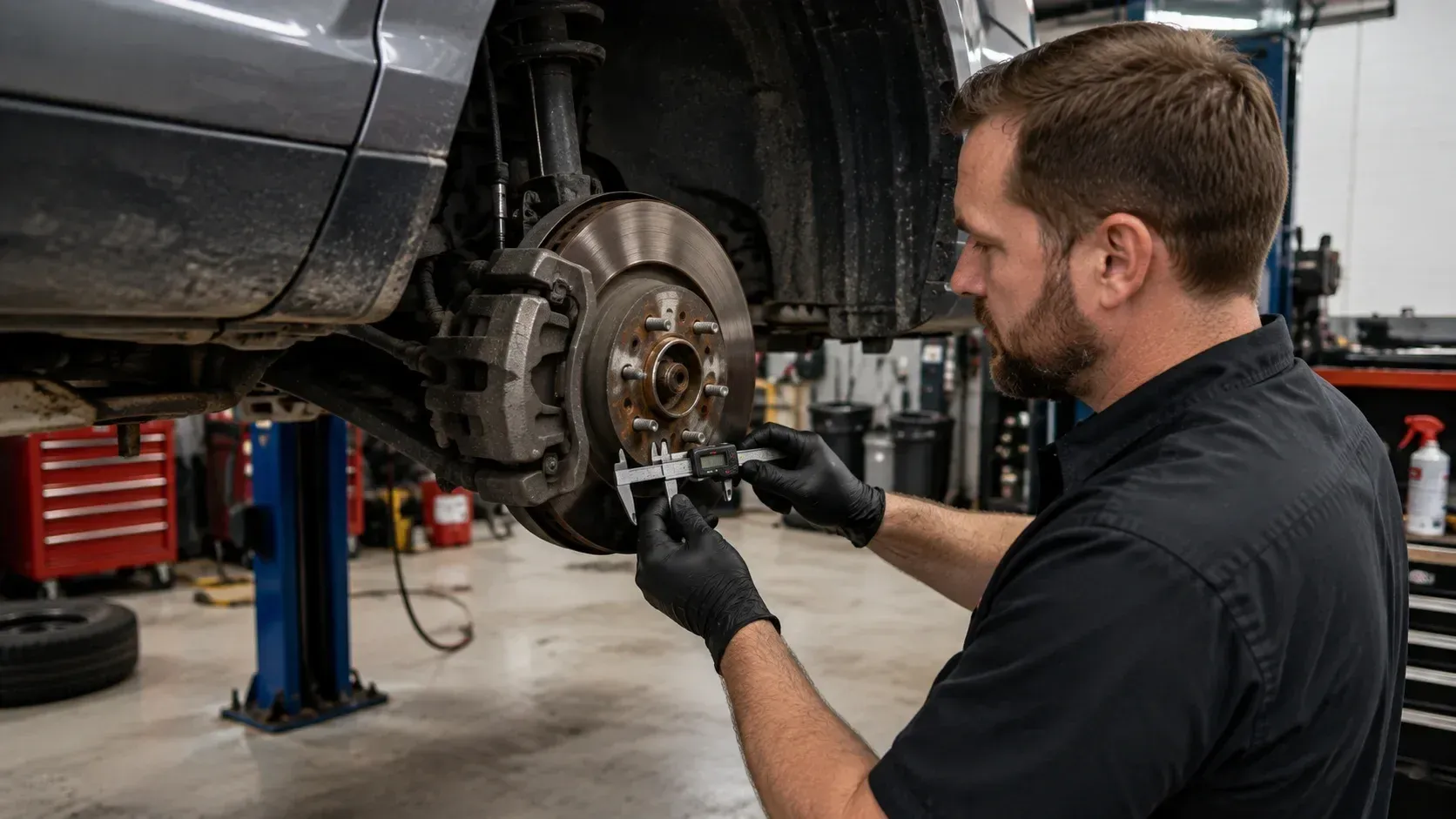
Table of Contents
- Introduction
- What Does a Brake Inspection Actually Include?
- How Often Should You Get Your Brakes Checked?
- Factors That Affect Your Brake Inspection Schedule
- Warning Signs You Need a Brake Inspection Now
- Why Regular Brake Maintenance Matters
- What Happens During a Professional Brake Service
- Conclusion
- Get Professional Guidance
- Frequently Asked Questions
Key Takeaways
- Most vehicle manufacturers recommend brake inspections every 12 months or 15,000 miles, whichever comes first
- Driving habits, road conditions, and brake pad material significantly affect how often you need inspections
- Warning signs like squealing, grinding, or soft brake pedals mean you need an inspection right away, not on a schedule
- Regular brake inspections help catch problems early and can prevent expensive repairs down the road
- Louisville's mix of city driving and highway conditions makes routine brake maintenance especially important
Introduction
Most vehicle owners in Louisville should have their brakes inspected at least once a year or every 15,000 miles, though this timeline can change based on your driving habits and vehicle type. Brake systems are one of the most critical safety features on your vehicle, and knowing when to get them checked helps you stay safe on the road while avoiding unexpected breakdowns.
Your brakes work hard every time you drive. In Louisville, whether you're navigating downtown traffic, merging on the interstate, or parking in tight spaces, your brake system is under constant use. Over time, brake pads wear down, fluid can degrade, and components can develop issues that aren't always obvious until something goes wrong. Getting regular inspections means a qualified technician can spot these problems before they become dangerous or expensive.
What Does a Brake Inspection Actually Include?
A proper brake inspection covers several different components of your brake system. It's not just about looking at your brake pads. A technician will examine your brake pads and rotors to check their condition and thickness. They'll also inspect your brake fluid, which should be clear and not dark or discolored, because old fluid can reduce braking effectiveness.
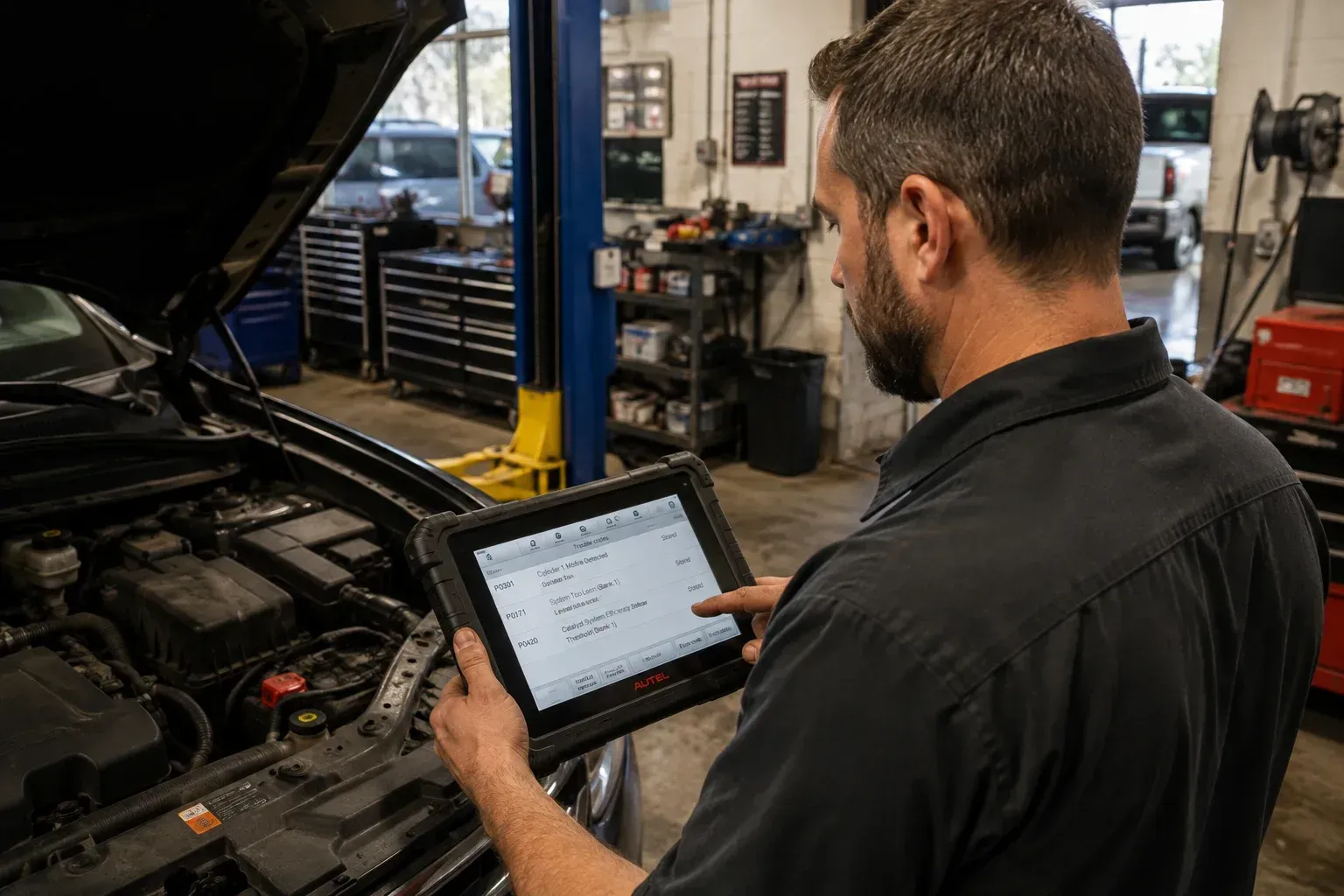
The inspection also includes checking your brake lines and hoses for cracks or leaks, testing your brake pedal feel and responsiveness, and looking at your calipers to make sure they're functioning correctly. For many modern vehicles, technicians also run a computer diagnostic to check for brake-related warning codes. Some shops will also check your parking brake and make sure your brake warning lights are working as they should.
This comprehensive approach means problems get caught early, even if you haven't noticed anything unusual yet. Small issues that seem minor during an inspection can become serious safety problems if they're ignored.
How Often Should You Get Your Brakes Checked?
Most vehicle manufacturers recommend a brake inspection every 12 months or every 15,000 miles. However, this is a general guideline, not a hard rule that applies to everyone equally. Some vehicles with high-quality brake systems might go longer between inspections, while others might need more frequent checks.
The key is that you shouldn't treat this as a one-size-fits-all timeline. Your specific vehicle's maintenance schedule, which you can find in your owner's manual, is the best starting point. If your manual recommends inspections every 20,000 miles, that's worth following. But if you notice any warning signs or changes in how your brakes feel, don't wait until your scheduled inspection.
Think of the yearly or 15,000-mile interval as a minimum recommendation for most drivers in normal conditions. If your driving patterns or local conditions are different, adjust accordingly.
Factors That Affect Your Brake Inspection Schedule
Several things influence how often you actually need brake inspections, and understanding these factors helps you make the right decision for your situation.
Driving Habits
If you do a lot of city driving with frequent stops, your brakes get more use than someone who drives mostly on the highway. Stop-and-go traffic in Louisville's downtown area means more brake engagement and faster wear. Conversely, highway driving with fewer stops is generally easier on your brake system. If you tow a trailer or regularly carry heavy loads, your brakes work harder and may need more frequent inspections.
Road Conditions
Kentucky weather and road conditions play a role in brake wear. Mountain driving or hilly terrain requires more braking, which accelerates wear. Winter conditions with salt and moisture on the roads can also affect brake components and fluid condition. Louisville's humidity and occasional ice can be tough on brake systems if you're not keeping up with maintenance.
Your Vehicle's Age and Mileage
Older vehicles sometimes need more frequent brake inspections because wear and tear accumulate over time. Newer vehicles often have more advanced brake systems that might go longer between inspections, but that doesn't mean you should skip them entirely. Mileage matters more than age, though both are factors.
Brake Pad Material
Different brake pad compounds wear at different rates. Organic pads tend to wear faster but are quieter. Metallic pads last longer but can be noisier. If your vehicle uses premium or semi-metallic pads, you might go longer between inspections, but this varies by vehicle and manufacturer.
Driving Style
Aggressive braking, hard stops, and riding the brakes (like going down long hills without releasing the pedal) all increase brake wear. Smooth, gradual braking is easier on your system and means longer intervals between service.
Warning Signs You Need a Brake Inspection Now
Don't wait for your scheduled inspection if you notice any of these warning signs. Some issues need immediate attention for safety reasons.
Brake Noise
Squealing or squeaking sounds when you brake are often an early warning that brake pads are getting thin. Some brake pads have built-in wear indicators that squeal to alert you. Grinding sounds are more serious and mean metal is rubbing on metal, which damages your rotors and needs immediate
brake repair attention.
Brake Pedal Changes
If your brake pedal feels spongy, soft, or goes further down than usual before engaging, something is wrong with your brake system. This could mean air in your lines, low brake fluid, or a leak. A pedal that's harder to press than normal could indicate brake booster issues. Any change in how your pedal feels warrants an inspection.
Brake Fluid Issues
If you notice your brake fluid level is low or the fluid appears dark or dirty, have it checked. Brake fluid absorbs moisture over time and can degrade, reducing its effectiveness. It should be clear to light amber, not brown or black.
Vibration or Pulling
If your vehicle pulls to one side when braking or your steering wheel vibrates when you brake, you likely have uneven brake wear or rotor problems. This needs professional attention soon.
Dashboard Warning Lights
Your brake warning light exists for a reason. If it comes on, get a brake inspection done promptly. Don't ignore it hoping it goes away.
Why Regular Brake Maintenance Matters
Getting regular brake inspections isn't just about following a schedule. There are real benefits to staying on top of your brake system maintenance.
Regular inspections catch small problems before they become big ones. A technician who finds brake pad wear early can schedule replacement before the pads are completely gone and damage your rotors. Catching a slow fluid leak before your brakes fail is obviously preferable to dealing with brake failure on the road.
Maintaining your brakes also helps you avoid expensive repairs. Replacing just brake pads is a fraction of the cost of replacing both pads and rotors because you waited too long. Brake fluid flushes cost less than dealing with brake system failure. The money you spend on routine maintenance saves you money down the line.
Beyond cost, there's the safety factor. Your brakes are what stop your vehicle and protect you, your passengers, and other people on the road. A well-maintained brake system works reliably when you need it. A neglected brake system becomes unpredictable and dangerous. That's not a small thing.
What Happens During a Professional Brake Service
When you take your vehicle to a shop for a brake service inspection, here's what typically happens.
The technician will put your vehicle on a lift for a visual inspection of all brake components. They'll measure brake pad thickness and rotor condition. They'll look for leaks, damage, or wear on brake lines and hoses. They'll check brake fluid color and condition, and many shops will test it with a moisture meter because old, contaminated fluid is a common brake problem.
They'll also test your braking performance by checking how the pedal feels and making sure the brakes engage smoothly without pulling or pulsing. A computer scan will pull any brake-related diagnostic codes that might indicate issues you can't feel or hear yet.
After the inspection, a good shop will explain their findings clearly. They'll tell you what's normal wear and what needs attention soon versus what needs attention now. They won't pressure you into service you don't need, and they'll give you honest recommendations based on what they actually found.
Conclusion
Your brakes deserve regular attention and professional inspection. While a yearly inspection or one every 15,000 miles is a solid baseline for most Louisville drivers, the right schedule for your vehicle depends on your specific situation — how you drive, where you drive, and what your vehicle's manufacturer recommends.
The important thing is staying aware of your brake system's condition and not ignoring warning signs. Brake issues don't usually get better on their own. They get worse, and worse brakes mean less safe driving. Investing time and money in routine brake maintenance prevents you from dealing with dangerous brake problems or expensive emergency repairs later.
Pay attention to how your brakes feel and sound. Follow your vehicle's maintenance schedule. And when you notice something different — whether that's a noise, a pedal change, or a warning light — get it checked out. Your safety and your vehicle's reliability depend on it.
Get Professional Guidance
If you're not sure whether your brakes need attention or when to schedule your next inspection, a qualified technician can review your vehicle's specific needs and driving situation. They can give you a personalized recommendation based on what they find. If you're in the Louisville area, professional auto services including brake inspection and vehicle diagnostics can help you understand your brake system's condition and what maintenance makes sense for your vehicle right now.
Frequently Asked Questions
You can do a basic visual inspection on some vehicles by looking through the wheel spokes at your brake pad thickness, but a professional inspection is more thorough. Technicians use proper tools to measure precisely and check components you can't easily see. They also test the overall brake system function, not just pad thickness.
An inspection is a checkup — a technician examines your brakes and reports what they find. Maintenance is the actual work, like replacing pads, flushing fluid, or resurfacing rotors. You need inspections regularly to figure out when maintenance is necessary.
Many shops offer free or low-cost brake inspections, usually between $50 and $150 if they charge at all. The inspection helps you decide what maintenance you actually need, so shops often don't charge much for this service.
Uneven wear happens sometimes and can be caused by several things — a sticky caliper, suspension issues, or driving habits. If your brakes are wearing unevenly, mention it during your inspection so the technician can look for the underlying cause.
Your front brakes typically wear faster than your rear brakes because they handle most of the braking force. You might need new front pads while rear pads are still fine. A technician will measure all four and recommend replacement based on actual wear, not a blanket "replace all four" approach.
Dark brake fluid usually means it's old and has absorbed moisture, which reduces its effectiveness. Brake fluid should be light amber or clear. If yours is dark, ask your technician if a brake fluid flush is recommended. This is routine maintenance that helps your brake system work reliably.
Driving on nearly worn pads is risky. Your braking distance increases as pads get thinner, and you're also damaging your rotors, which costs more to fix. Once you know your pads are worn, get them replaced soon rather than waiting.