Why Does My Car Pull to One Side When I Brake?
Contact Us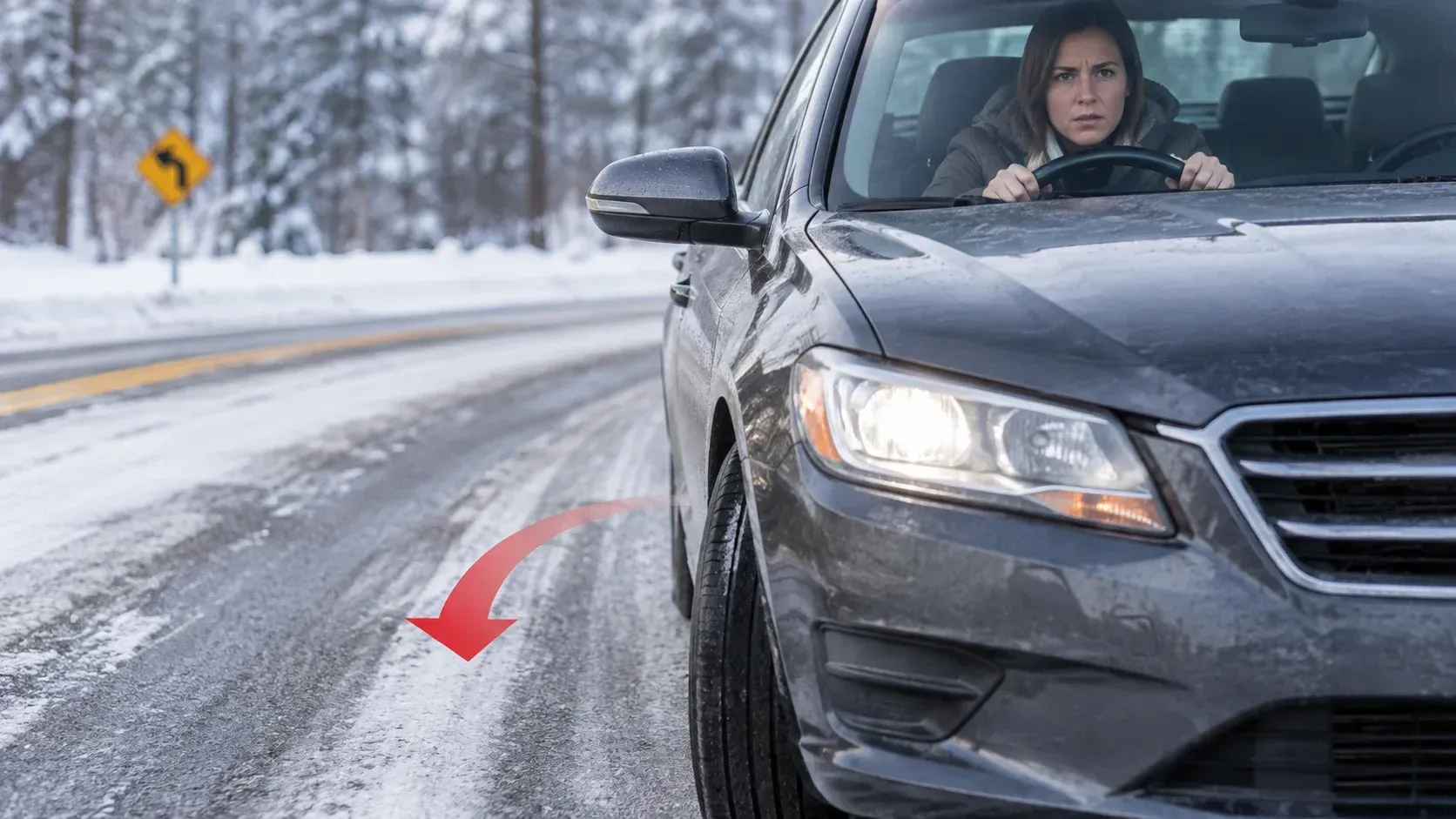
Key Takeaways
- A car pulling to one side when braking is often caused by uneven brake wear, a sticking caliper, or contaminated brake pads on one side
- Tire issues, suspension problems, and alignment can also cause this symptom, so the cause isn't always the brakes themselves
- Ignoring the pull can lead to faster tire wear, reduced control, and more expensive repairs over time
- A proper diagnosis involves inspecting brake components, tires, and suspension rather than guessing at a single cause
- Getting the issue checked early helps you understand exactly what's happening before it becomes a bigger safety concern
Table of Contents
- Introduction
- What It Means When Your Car Pulls While Braking
- Common Causes of Brake Pull
- Other Factors That Can Cause a Pulling Sensation
- Why This Isn't Something to Ignore
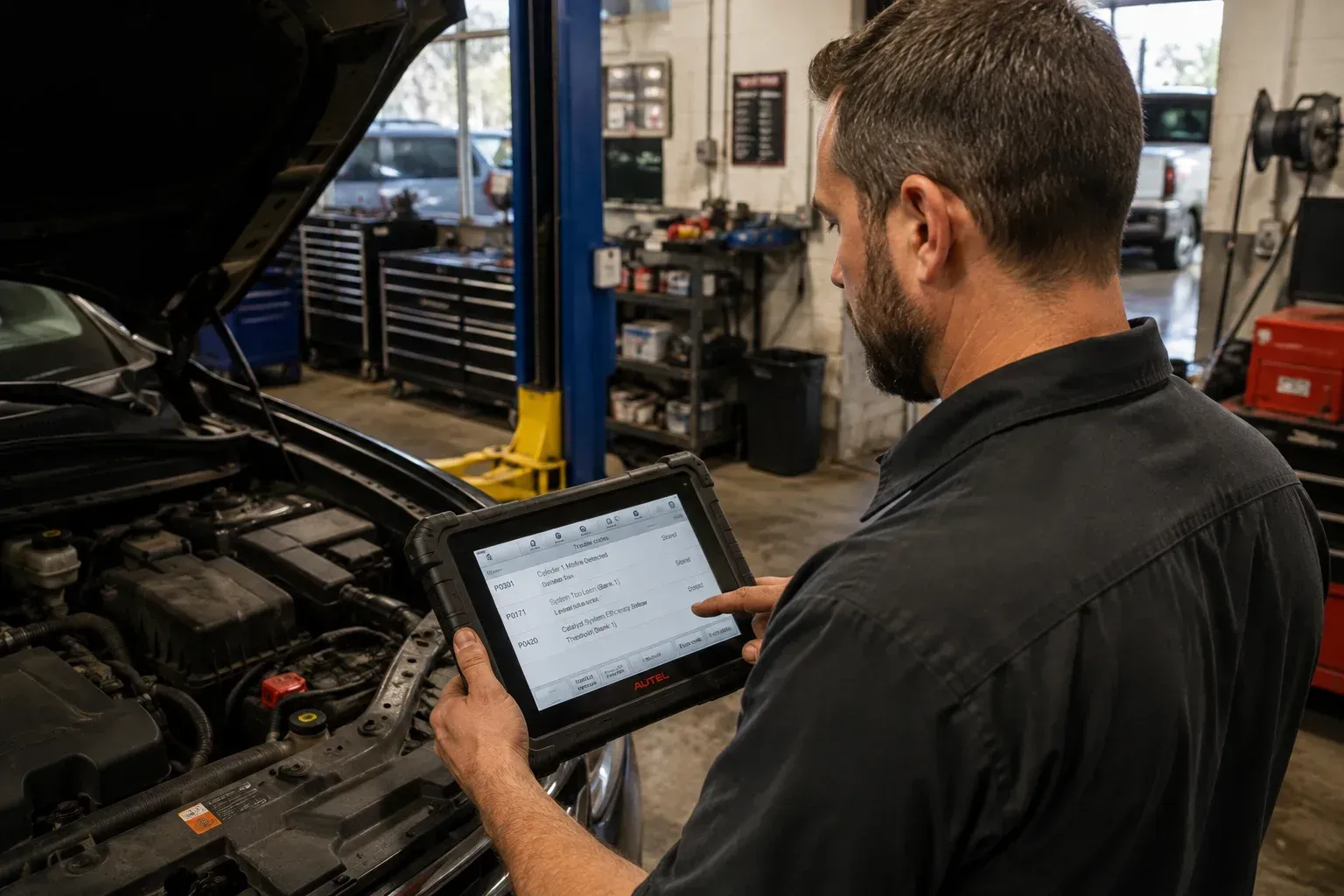
- How a Technician Diagnoses the Problem
- Questions to Ask Before Repairs
- Conclusion
- Get Your Brakes Checked
- Frequently Asked Questions
Introduction
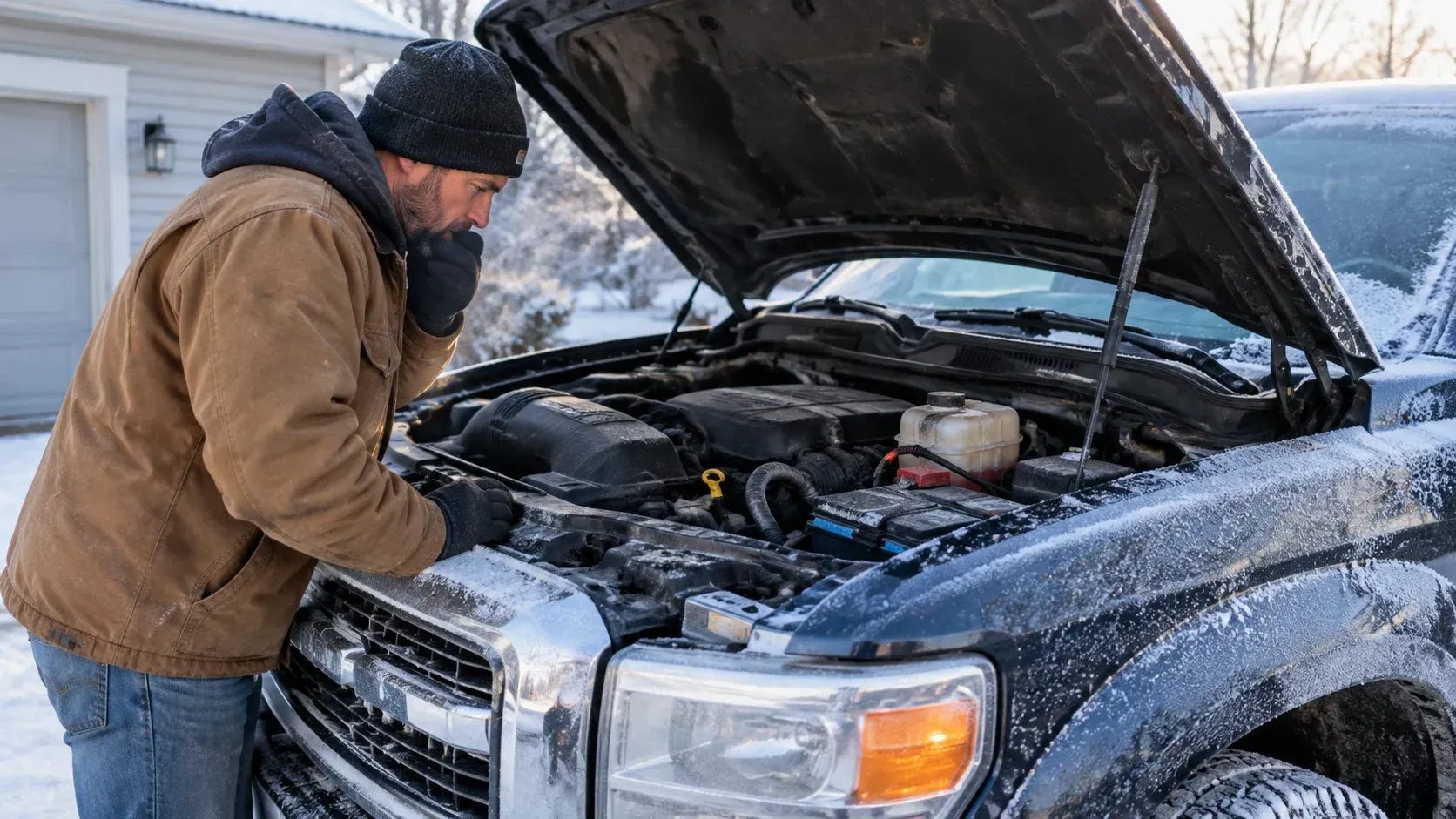
Your car pulls to one side when braking most often because one side of your brake system is working harder than the other, usually due to uneven brake wear, a stuck caliper, or a contaminated brake pad. When this happens, it means your brakes aren't applying equal pressure on both sides of the vehicle, and getting a brake repair inspection can help confirm exactly which component is causing the imbalance.
This is a symptom that home owners and business owners who depend on their vehicles shouldn't brush off. A car that pulls during braking isn't just annoying to drive. It can affect how well you control your vehicle, especially in wet conditions or during a sudden stop. Understanding what's behind this pulling sensation helps you figure out whether it's a minor fix or something that needs more immediate attention.
What It Means When Your Car Pulls While Braking
When you press your brake pedal, your car's brake system is supposed to apply even pressure to all four wheels at the same time. If one side slows down faster than the other, your car naturally drifts toward that side. This is what people describe as the car "pulling."
This pulling sensation is your car's way of telling you something is out of balance. It could be a brake-specific issue, or it could be related to your tires, suspension, or alignment. The direction of the pull and when it happens can give you and a technician useful clues about where to start looking.
Pull to the Left vs. Pull to the Right
If your car pulls to the left, that side's brakes are likely grabbing harder or sooner than the right side. If it pulls to the right, the opposite is often true. Either direction usually points to uneven braking force rather than something wrong with your steering, though steering and suspension problems can sometimes mimic this symptom.
Common Causes of Brake Pull
There are several specific reasons your car might pull to one side when you brake, and they range from simple fixes to more involved repairs.
Uneven Brake Pad Wear
Brake pads don't always wear at the same rate on both sides of your vehicle. If one pad is significantly thinner than the other, that side won't grip the rotor as firmly, causing your car to pull toward the side with more pad material and stronger braking force.
Sticking Brake Caliper
Your brake calipers are responsible for squeezing the brake pads against the rotor. If a caliper is sticking or not releasing properly, that wheel either brakes too hard or doesn't release fully, both of which can cause pulling. A stuck caliper is one of the more commonbrake caliper problems that leads to this kind of uneven braking.
Contaminated Brake Pads
If brake fluid, oil, or grease gets onto a brake pad, it reduces that pad's ability to grip the rotor properly. This creates an imbalance between that wheel and the others, which can cause your car to pull during braking.
Collapsed Brake Hose
Brake hoses carry fluid under pressure to each wheel. If a hose collapses internally, it can trap fluid and prevent that wheel's brake from releasing fully after you brake, causing drag and pulling toward the opposite side.
Air in the Brake Lines
Air trapped in your brake lines can cause uneven pressure distribution between wheels. This is less common but can happen after brake work that wasn't properly bled, or if there's a slow leak somewhere in the system.
Other Factors That Can Cause a Pulling Sensation
Brake pull doesn't always mean the problem is actually in your brake system. Several other components can create a similar sensation.
Uneven Tire Wear or Pressure
If your tires are worn unevenly or one tire has significantly lower pressure than the others, your car can pull to one side, and this pull might be more noticeable when braking because the uneven grip becomes more obvious under pressure.
Alignment Issues
A misaligned vehicle can pull to one side even without braking, but the pull might feel stronger when you apply the brakes. If you've noticed your car drifting even when driving straight and not braking, alignment is worth checking.
Suspension Problems
Worn suspension components, like a bad control arm bushing or a weak strut, can allow uneven weight transfer during braking, which may feel similar to a brake-specific pull.
Uneven Road Surface
In some cases, what feels like a pull is actually the road surface itself, especially roads with a crown or significant wear patterns. This is worth ruling out if the pulling only happens in specific locations.
Why This Isn't Something to Ignore
Some drivers get used to a slight pull and adjust their steering without thinking much about it. This isn't a good long-term approach for a few reasons.
Uneven Brake Wear Gets Worse
If one side of your brake system is working harder than the other, that side will wear out faster. What started as a mild imbalance can turn into a significant difference in pad thickness, rotor condition, or caliper function over time.
It Affects Your Control During Sudden Stops
A gradual pull during normal braking might not feel dangerous, but the same imbalance becomes more noticeable and harder to manage during a hard or sudden stop, which is exactly when you need your brakes to perform predictably.
It Can Lead to More Expensive Repairs
Ignoring a sticking caliper, for example, doesn't just affect that one wheel. It can cause premature wear on brake pads and rotors, turning a moderate caliper repair into a more expensive repair involving multiple components.
Wet or Icy Conditions Make It Worse
A pulling brake issue that feels manageable on dry pavement can become a bigger problem on wet or icy roads, where your margin for error is already smaller.
How a Technician Diagnoses the Problem
When you bring your vehicle in because it pulls during braking, a technician typically works through a structured process rather than guessing at the cause.
Visual Inspection of Brake Components
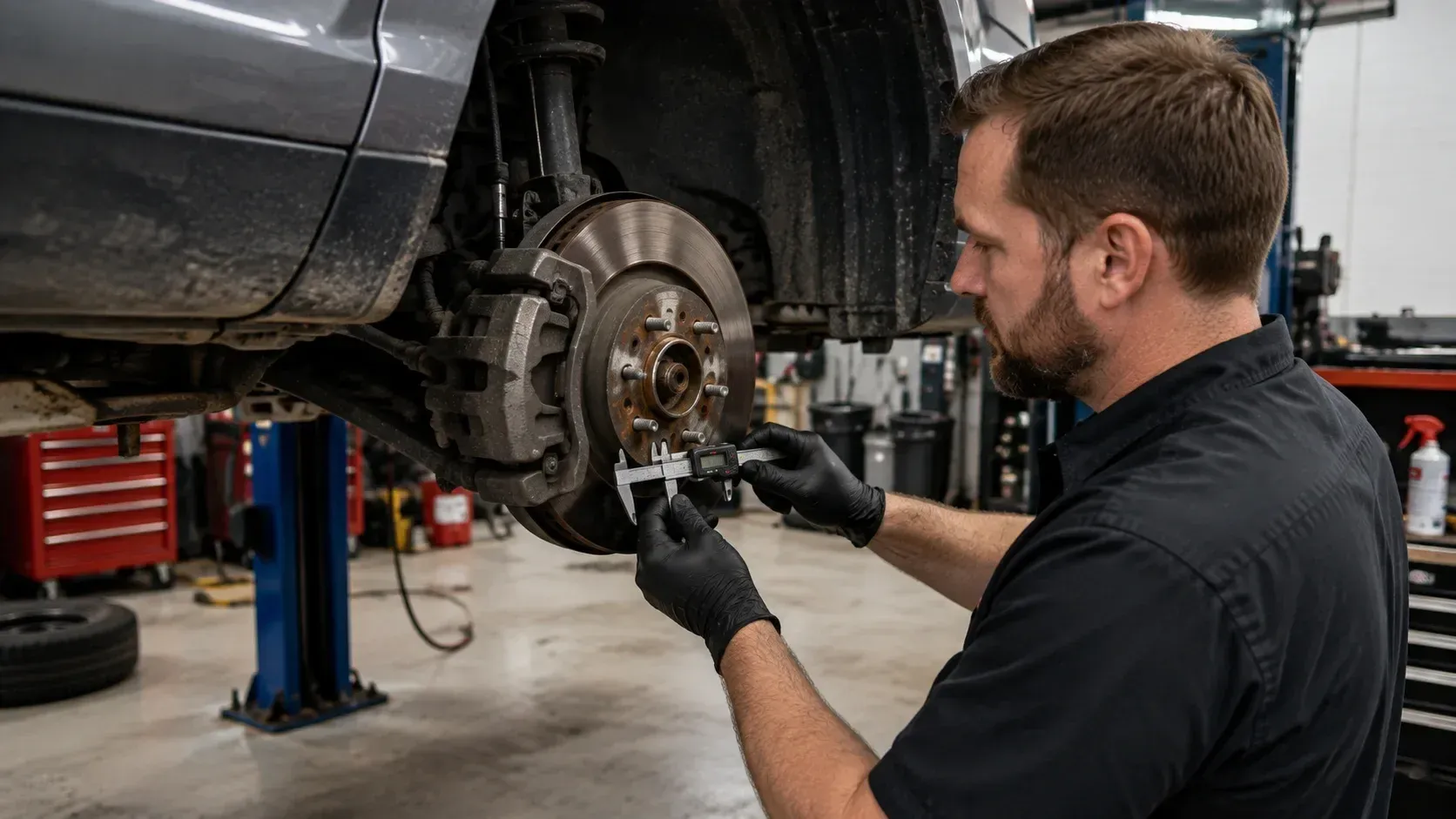
The first step usually involves inspecting brake pads, rotors, and calipers on all four wheels. The technician is looking for uneven wear patterns, signs of a stuck caliper, or contamination on the pads.
Tire and Alignment Check
Since tire and alignment issues can mimic brake problems, a good inspection includes checking tire pressure, tread wear patterns, and whether your alignment is within spec.
Brake Fluid and Line Inspection
Technicians will check brake fluid condition and inspect brake lines and hoses for signs of damage or internal collapse, which isn't always visible from the outside.
Test Drive Evaluation
A test drive, when the technician can safely assess how the vehicle behaves at different speeds and braking intensities, often provides useful information that a stationary inspection alone can't capture.
Getting a thoroughcar diagnostics inspection rather than replacing a single part based on guesswork gives you a clearer picture of what's actually causing the pull.
Questions to Ask Before Repairs
If you're told your vehicle needs brake repairs after a pull diagnosis, a few questions can help you understand the situation better.
What specifically was found during the inspection?
A good technician should be able to explain what they found on each wheel, not just tell you that repairs are needed. Understanding the specific issue, whether it's a stuck caliper or uneven pad wear, helps you make an informed decision.
Is this a safety issue or a wear issue?
Some brake pull causes are more urgent than others. A stuck caliper that's actively damaging your brake pads is different from mild uneven wear that's just starting to develop. Understanding the urgency helps you prioritize.
What happens if I wait on this repair?
Asking what could happen if you delay the repair gives you a realistic picture of the risk involved, rather than feeling pressured into immediate work without context.
Conclusion
A car that pulls to one side when braking is sending you a signal that something in your brake system, tires, or suspension isn't working evenly. The cause can range from something as straightforward as uneven brake pad wear to something more involved like a sticking caliper or a collapsed brake hose.
This symptom deserves attention rather than getting used to it or adjusting your steering to compensate. The longer an uneven braking issue goes unaddressed, the more likely it is to affect other components and your overall control of the vehicle, particularly during sudden stops or in wet conditions.
Getting a proper inspection that looks at your brakes, tires, and alignment together gives you a clearer answer than guessing at a single cause. From there, you can make an informed decision about repairs based on what's actually happening with your vehicle.
Get Your Brakes Checked
If your car has been pulling to one side when you brake, understanding the cause gives you the clarity you need before deciding on next steps. A proper inspection can identify whether the issue is coming from your brakes, tires, or alignment, rather than leaving you to guess. You cancontact us with any questions or to schedule a time for your vehicle to be looked at, with no pressure and straightforward answers about what's going on.
Frequently Asked Questions
Q: Is it dangerous to keep driving if my car pulls when I brake?
A: It depends on the severity and cause. A mild pull may not create an immediate danger, but it can get worse over time and become more noticeable during sudden stops or in wet conditions. It's worth having it checked rather than waiting to see if it worsens.
Q: Can bad alignment cause my car to pull only when braking?
A: Yes, though alignment issues often cause pulling even without braking. If you notice the pull is worse or only happens when you brake, it's more likely related to your brake system, but alignment should still be checked as part of a full diagnosis.
Q: How do I know if it's my brakes or my tires causing the pull?
A: This can be hard to tell without inspection, since both can create similar symptoms. A technician will typically check tire pressure, tread wear, and brake components together to narrow down the actual cause.
Q: Will replacing just the worn brake pad fix the pulling issue?
A: It depends on the underlying cause. If uneven pad wear is the only issue, replacing pads evenly across the axle may resolve it. But if a stuck caliper or contaminated pad caused the uneven wear in the first place, that root cause needs to be addressed too.
Q: Can a brake pull happen suddenly, or does it develop gradually?
A: Both are possible. A sudden pull might indicate something like a caliper that's suddenly stuck or a hose that failed. A gradual pull is more often related to slowly developing uneven wear. Either way, it's worth getting checked once you notice it.