Why Does My Diesel Truck Struggle to Start on Cold Mornings?
Contact Us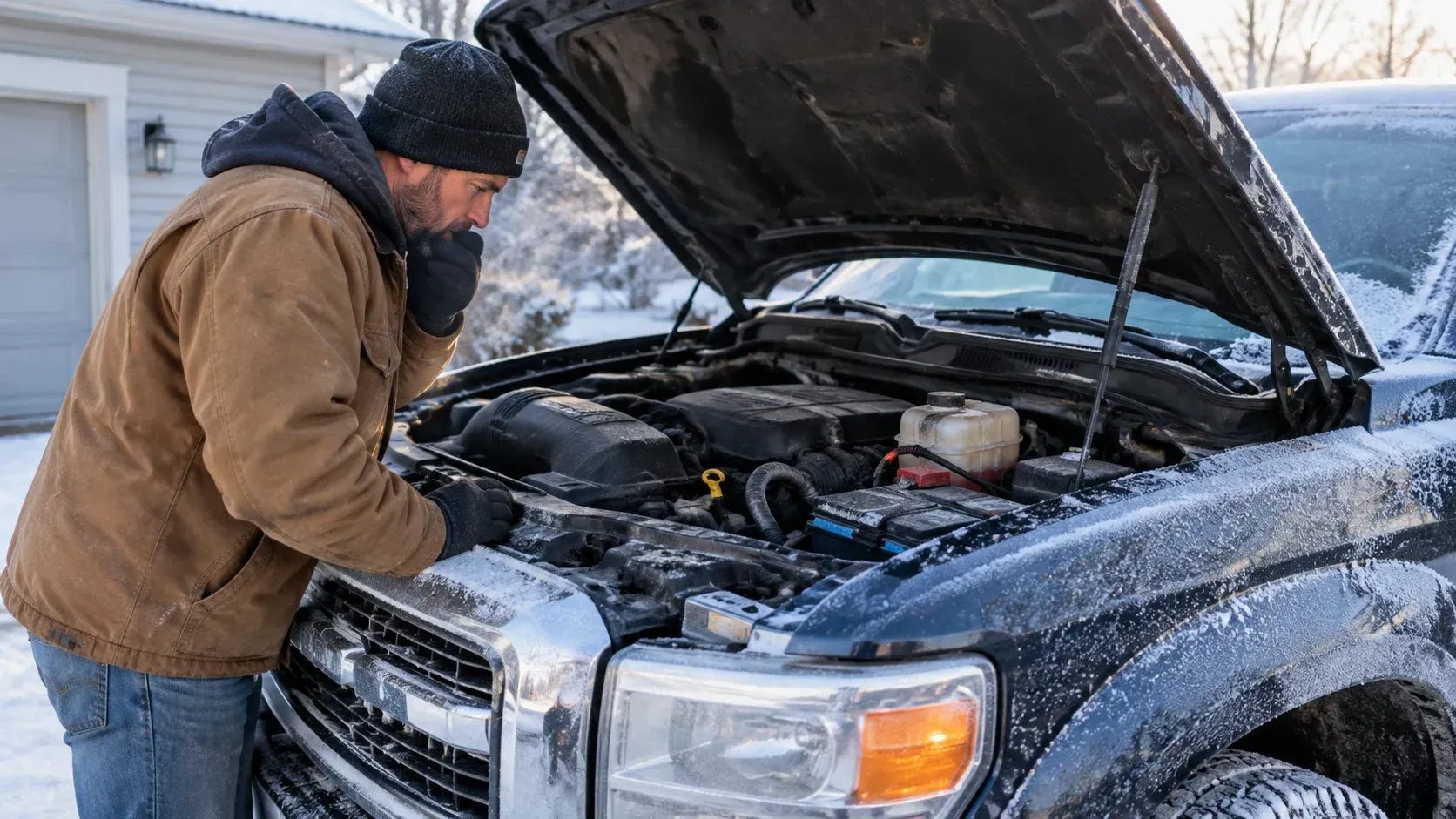
Key Takeaways
- Cold weather thickens diesel fuel and makes compression ignition harder, which is why diesel trucks start differently than gas engines in winter
- Glow plugs, battery condition, and fuel quality all play a role in how well your diesel starts when temperatures drop
- Diesel fuel can gel in extreme cold, blocking fuel lines and filters until the truck warms up or the fuel is treated
- A truck that cranks but won't start, or starts rough and stalls, is telling you something specific about what's wrong
- Routine diesel maintenance before winter arrives can reduce the chances of a cold morning no-start situation
Table of Contents
- Introduction
- Why Diesel Engines Start Differently Than Gas Engines
- Common Reasons Diesel Trucks Struggle in Cold Weather
- Signs Your Starting Problem Needs Attention
- What a Diesel Technician Checks During Cold Start Diagnosis
- Steps You Can Take Before Winter Hits
- When to Call for Professional Help
- Conclusion
- Talk to a Diesel Technician
- Frequently Asked Questions
Introduction
Diesel trucks struggle to start in cold weather because diesel fuel thickens at low temperatures and the engine relies on compression heat, not spark plugs, to ignite that fuel. When it's cold enough, that combination makes starting harder, slower, or sometimes impossible without help. If you're dealing with a diesel engine that cranks and cranks but won't catch on a frosty morning, you're running into one of the most common complaints diesel owners have every winter.
This is something home owners and business owners who depend on a diesel truck need to understand, especially if that truck is how you get to job sites, haul equipment, or run daily errands. A no-start situation on a freezing morning isn't just inconvenient. It can throw off your whole day. Knowing why this happens and what you can do about it puts you in a better position to handle it, whether that means simple prevention or knowing when it's time to get the truck looked at.
Why Diesel Engines Start Differently Than Gas Engines
Gasoline engines use spark plugs to ignite a mix of fuel and air. Diesel engines don't work that way. They rely on compression ignition, meaning the engine compresses air until it gets hot enough to ignite the diesel fuel when it's injected. No spark plug is involved.
This difference matters a lot in cold weather. When the outside air is cold, the engine block and the air inside the cylinders are cold too. It takes more cranking and more compression to generate enough heat to ignite the fuel. That's part of why diesel trucks are harder to start in winter compared to gas-powered vehicles.
The Role of Glow Plugs
Most diesel engines use glow plugs to help with this problem. Glow plugs heat up the combustion chamber before you start the engine, making it easier for the fuel to ignite once you turn the key. When you turn your ignition to the "on" position before starting, you might notice a wait light on your dashboard. That's your glow plugs heating up.
If your glow plugs are worn out or failing, your truck will have a much harder time starting in cold weather, even if everything else is working fine. This is one of the most common reasons for cold start trouble.
Common Reasons Diesel Trucks Struggle in Cold Weather
There are several specific reasons a diesel truck might not want to start once temperatures drop, and they don't all point to the same fix.
Fuel Gelling
Diesel fuel contains paraffin wax, which is normally dissolved in the fuel. When temperatures get cold enough, that wax can start to solidify, turning your fuel thick and cloudy. In extreme cases, it can clog your fuel filter and fuel lines, which is known as fuel gelling. This is more common in regions that see very low temperatures for extended periods.
Weak or Failing Battery
Cold weather reduces battery performance across the board. Diesel engines need more cranking power to start than gas engines because of the higher compression they require. A battery that's getting old or hasn't been maintained well might not have enough power left to crank the engine fast enough in cold weather, even if it works fine in warmer months.
Worn Glow Plugs
As mentioned, glow plugs wear out over time. If one or more glow plugs aren't heating properly, your engine won't get enough warmth in the combustion chamber, making cold starts difficult or impossible.
Fuel Filter Issues
A dirty or clogged fuel filter restricts fuel flow, and this problem gets worse in cold weather when fuel is already thicker. If your filter hasn't been changed on schedule, it can contribute to hard starting.
Low-Quality or Wrong Season Fuel
Not all diesel fuel is blended the same way. Winter-blend diesel fuel is formulated to resist gelling better than summer-blend fuel. If your truck was filled with the wrong blend, or old fuel that's been sitting, that can make cold starts harder.
Engine Oil Thickness
Engine oil thickens in cold temperatures too. If you're using the wrong oil weight for winter conditions, your engine has to work harder to turn over, which adds to starting difficulty.
Signs Your Starting Problem Needs Attention
Not every cold start issue is the same, and the way your truck behaves can help point toward the cause.
Cranks But Won't Start
If your truck cranks normally but doesn't fire up, this often points to a fuel delivery issue, like gelled fuel or a clogged filter, or a glow plug problem that's preventing ignition.
Slow or Weak Cranking
If the engine cranks slowly or sounds weak when you turn the key, this usually points to a battery that's struggling, especially in cold weather when batteries lose power faster.
Starts Rough Then Stalls
A truck that starts but runs rough and then stalls might be dealing with fuel delivery issues or air in the fuel lines, which can happen more easily in cold conditions.
No Response at All
If turning the key gets you nothing at all, not even cranking, you could be looking at a dead battery, a bad starter, or an electrical connection issue that's being made worse by the cold.
Paying attention to which of these situations matches your truck helps a technician figure out where to start looking when you bring it in.
What a Diesel Technician Checks During Cold Start Diagnosis
When you bring your truck in for a hard starting problem, a technician typically works through a logical sequence of checks rather than guessing.
Battery and Electrical System Test
The first thing many technicians check is battery voltage and the overall electrical system, since weak batteries are a leading cause of cold start problems. They'll test battery health, check connections for corrosion, and make sure the charging system is working properly.
Glow Plug Function Test
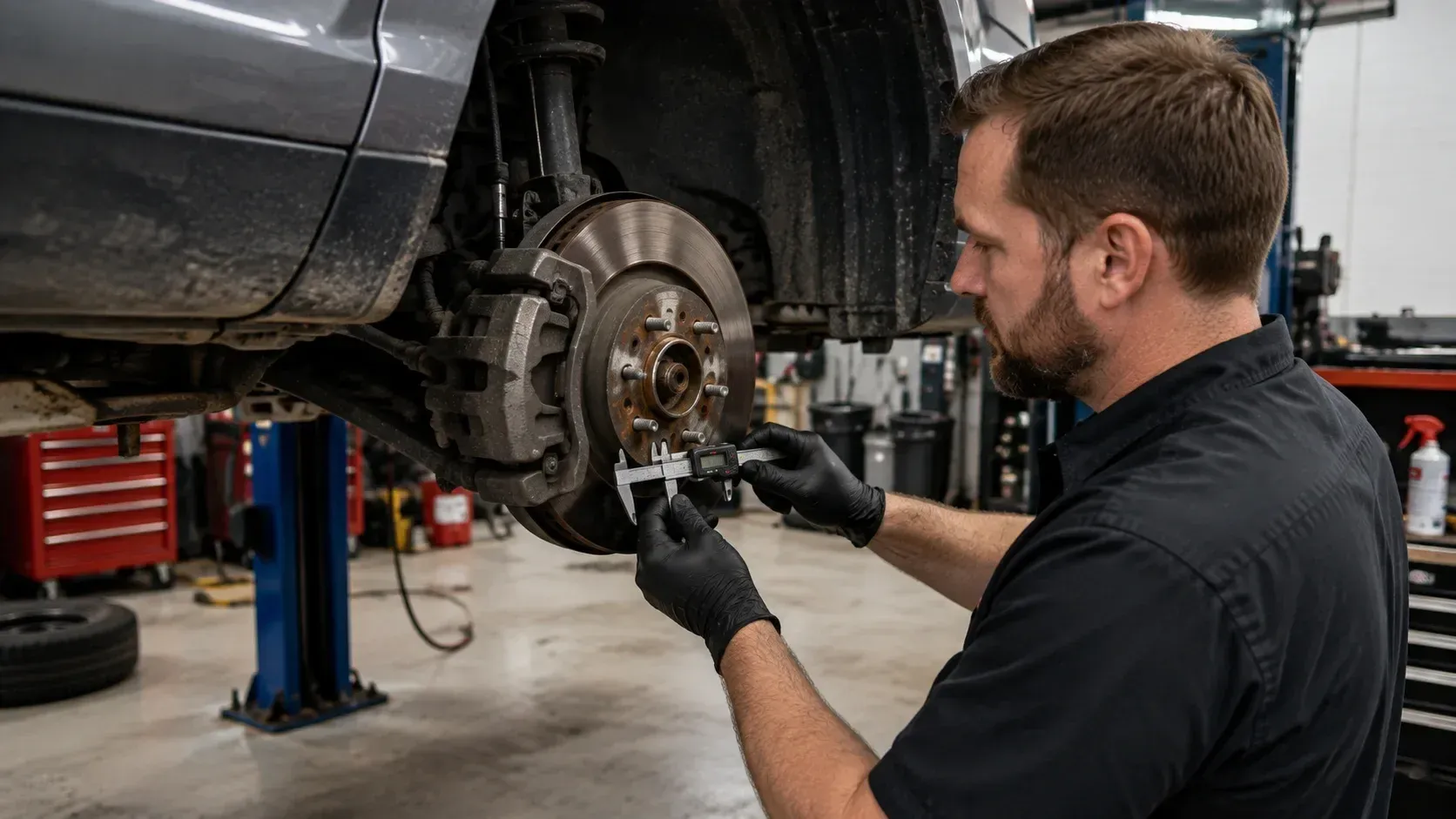
Technicians can test whether your glow plugs are heating properly using a multimeter or specialized testing tool. If one or more plugs aren't functioning, replacing them often resolves cold starting problems.
Fuel System Inspection
A technician will check fuel filters for clogging, inspect fuel lines for signs of gelling, and in some cases test fuel quality. If gelling is suspected, they may need to warm the fuel system to clear it before the truck can run normally again.
Compression Testing
In some cases, especially with older trucks or more stubborn starting problems, a technician might perform a compression test to rule out internal engine issues that could be contributing to hard starts.
Getting a proper car diagnostics check means you find out exactly what's causing the problem instead of guessing and replacing parts that might not be the actual issue.
Steps You Can Take Before Winter Hits
Some preventive steps can reduce your chances of dealing with a no-start situation when cold weather arrives.
Have Your Battery Tested
Get your battery tested before winter really sets in. Batteries lose capacity over time, and a battery that's on its way out will show weakness in a test even if it still starts your truck in warmer weather.
Use Winter-Blend Fuel
If you're filling up during colder months, winter-blend diesel fuel is designed to resist gelling better than summer-blend fuel. Many fuel stations switch blends seasonally, but it's worth asking if you're unsure.
Consider a Fuel Additive
Anti-gel fuel additives can help prevent fuel from thickening in cold temperatures. These are widely available and simple to use, though they work best as prevention rather than a fix for fuel that's already gelled.
Check Your Glow Plugs
If your truck has been slow to start even in moderately cool weather, don't wait until deep winter to get your glow plugs checked by a diesel mechanic. Catching a failing glow plug early can prevent a complete no-start situation later.
Use the Right Engine Oil
Make sure you're using the engine oil weight recommended for cold weather conditions. Your owner's manual will specify what's appropriate for winter driving.
Park Smart When Possible
If you have access to a garage or covered parking, using it during extreme cold can help keep your engine and fuel system a bit warmer, which may make starting easier.
When to Call for Professional Help
Some situations call for professional attention rather than trying to handle things yourself.
If your truck won't start no matter what you try, and you suspect gelled fuel, don't keep cranking the engine repeatedly. This can drain your battery further and doesn't fix the underlying fuel problem. A technician with the right tools can often warm the fuel system and get things moving again.
If you've replaced your battery and you're still having starting trouble, there's likely a different issue at play, whether that's glow plugs, fuel delivery, or something else. At this point, diagnostic testing gives you real answers instead of more guesswork.
If your truck is part of your daily work routine, getting the problem diagnosed and fixed properly matters more than trying quick fixes that might not address the actual cause. A truck that keeps having starting problems through the winter is telling you something needs real attention.
Conclusion
Diesel trucks and cold weather have a complicated relationship, mostly because of how diesel engines rely on compression heat rather than spark to ignite fuel. Thickened fuel, weakened batteries, and worn glow plugs are the most common reasons trucks struggle on frosty mornings, and each of these problems has its own signs and its own solution.
Understanding what's happening with your truck when it won't start helps you make better decisions, whether that means simple maintenance steps you can take yourself or recognizing when it's time to bring the truck in for diagnostic testing. Cold weather starting problems don't usually fix themselves, and they tend to get more frustrating as temperatures keep dropping through the season.
Taking preventive steps before winter arrives, like testing your battery and checking your glow plugs, can reduce how often you're stuck dealing with a truck that won't cooperate on a cold morning.
Talk to a Diesel Technician
If your diesel truck has been giving you trouble starting in cold weather, getting a professional opinion can help you understand exactly what's going on before the problem gets worse. A technician can check your battery, glow plugs, and fuel system to pinpoint the cause rather than leaving you to guess. You can
contact us to ask questions or set up a time to have your truck looked at, with no pressure and no guesswork involved.
Frequently Asked Questions
Q: Why does my diesel truck start fine in summer but struggle in winter?
A: Diesel engines rely on compression heat to ignite fuel, and cold temperatures make that harder to achieve. Fuel also thickens in cold weather, and batteries lose some of their cranking power, all of which combine to make winter starts more difficult than summer starts.
Q: What does it mean if my diesel fuel has gelled?
A: Gelled fuel means the paraffin wax naturally present in diesel fuel has solidified due to cold temperatures, turning the fuel thick or cloudy. This can clog fuel filters and lines, preventing fuel from reaching the engine properly.
Q: How do I know if my glow plugs are bad?
A: Common signs include longer than normal wait times before starting, rough starts even when the truck eventually turns over, or a complete failure to start in cold weather despite a healthy battery. A technician can test glow plug function directly to confirm.
Q: Can I use an additive to prevent fuel gelling?
A: Yes, anti-gel additives are designed to help prevent diesel fuel from thickening in cold weather. They work best when added before temperatures drop rather than after fuel has already started to gel.
Q: Is it bad to keep cranking my truck if it won't start?
A: Repeated cranking without the engine starting can drain your battery and doesn't address the underlying problem, especially if fuel gelling or glow plug failure is the cause. It's better to stop and have the issue diagnosed than to keep trying repeatedly.